
The youth movement in professional pickleball continues to gain momentum—and it’s getting younger, faster, and more commercially compelling.
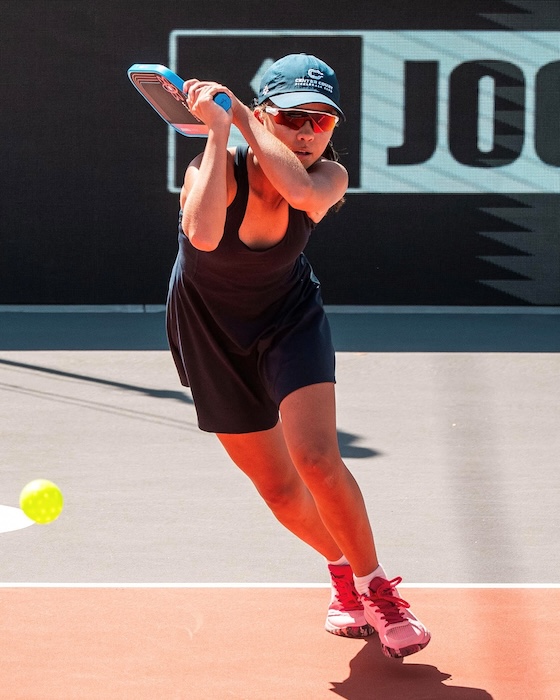
The latest signal comes from Kelly Goodnow, a 14-year-old phenom who has officially joined the Professional Pickleball Association Tour and wasted little time validating the hype. Within her first month as a pro, Goodnow surged into the world Top 100, highlighted by a semifinal run at a recent PPA Challenger event—a trajectory that underscores both her individual upside and the accelerating pace of player development across the sport.
Goodnow’s rise is notable not just for its speed, but for its timing. As pickleball continues its transition from recreational boom to structured professional ecosystem, the emergence of teenage talent is reshaping competitive pipelines and long-term fan engagement strategies. Much like Anna Leigh Waters before her, Goodnow represents a new archetype: the multi-sport-trained, media-savvy junior who can quickly translate into a marketable pro asset.
Her background reinforces that shift. A former elite junior tennis player who began competing at age four—and even carrying a single-digit golf handicap—Goodnow brings a level of athletic cross-training that is becoming increasingly common among pickleball’s next generation. That versatility has already translated into early wins against established professionals and competitive results across singles, doubles, and mixed formats.
From a business perspective, the implications are clear. The PPA Tour and its ecosystem partners are not just building a league—they’re cultivating a pipeline. Younger athletes entering the professional ranks earlier extend career arcs, deepen storytelling opportunities, and create longer-term sponsorship value for brands seeking continuity in a rapidly evolving sport.
For operators, media platforms, and sponsors, players like Goodnow offer a glimpse into pickleball’s next phase—one where youth development, performance analytics, and personality-driven marketing converge. And if her first month is any indication, the next generation isn’t waiting to arrive. It’s already here.